Piran is the administrative center of the municipality of Piran. It is an old Mediterranean settlement, full of prints from previous periods and an invaluable monument of successfully conceived architecture.
The picturesque port city extends at the end of the Piran Peninsula. Piran got its present appearance at the end of the 19th century. Tartini Square was created by the inundation of the Inner Harbor. The city extended southeast toward Bernardin, where they built a shipyard. The city has many cultural institutions and schools. The Maritime Museum boasts a wealth of art and history. The Piran Archives is one of the richest in Slovenia, containing a collection of documents from the 12th century onwards. The cultural pulse is revived by numerous galleries with events and various exhibitions.
During the summer, various concerts and other cultural events attract foreign and domestic visitors. With its preserved historical monuments and Mediterranean architecture, Piran is a true open-air museum. Fornace is a larger area located just before entering the old town of Piran, near Bernardin. The Fornace Exterior Parking Garage, Fornace - Piran Bus Station, National Institute of Biology - Marine Biology Station, Garage House, Fornace Refreshment Bar, Gallery Impresija, Villa Aurora, Solinar Art Society and others are located in this area.
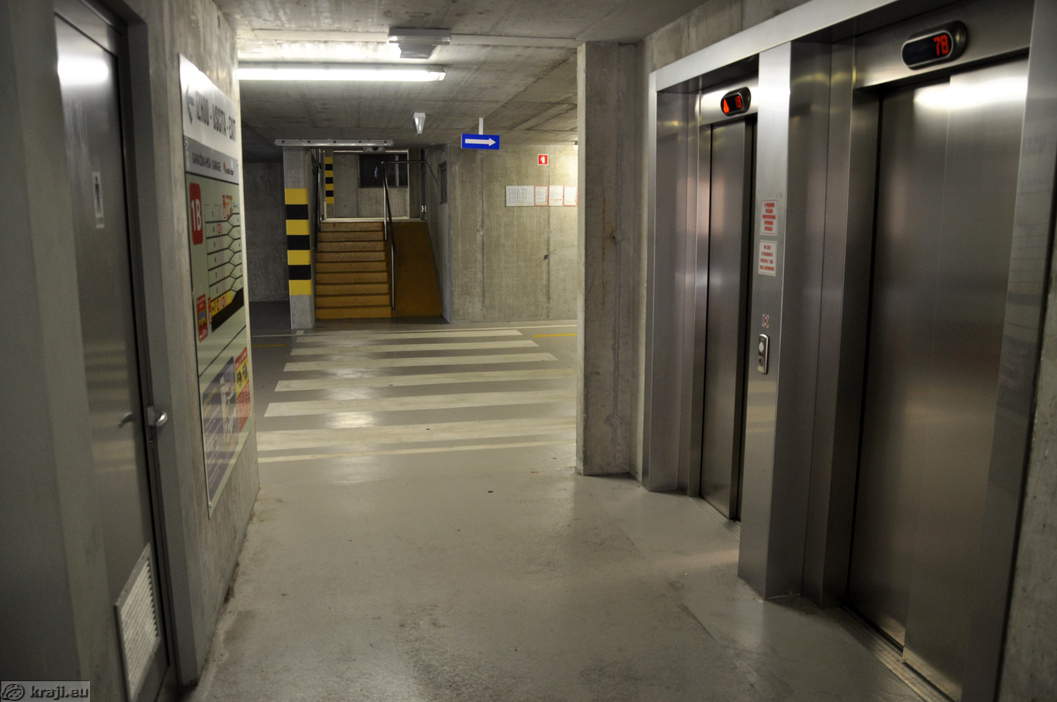
The Fornace Garage is a newer parking house, which is in more floors, so it is a lot of space for all cars. There goes a nice walking path from Fornace towards Piran or Bernardin. There is also a free shuttle bus between Fornace and Tartini Square.
 KRAJI - Slovenia
 StrunjanHotel Lavender - Oleander Resort