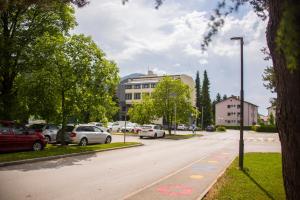
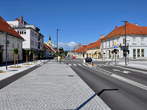
Sempeter in Savinja Valley is located along the regional road Ljubljana - Maribor, on the outskirts of Zalec. It is about 11 kilometres away from Celje. In prehistoric times, an amber route led through the valley from the Baltic to Italy.
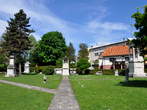
In Roman times, the Roman road Aquileia - Emona - Celeia - Petovio passed through Sempeter. In the middle of the 19th century, the place became an independent administrative unit as a municipality, under the name of Sveti Peter ob Savinji (Saint Peter along the Savinja River). At the beginning of the Second World War, the municipality was abolished when the German occupiers annexed it to the municipality of Zalec. Today, Sempeter is an independent local community formed by the following villages - Sempeter, Zgornje and Spodnje Roje, Podlog, Zalog, Kale, Grce, Loke and Zgornje and Spodnje Grusovlje. The most important transport link in the local community is the nearby highway. The most important transport link in the local community is the nearby highway. The river Savinja flows through Šempeter, which at the beginning of our count flowed just below the place, and then shifted the flow about 2 km away. Sempeter is best known for the Roman Necropolis, which is the best preserved monument of the Roman era in Slovenia. Opposite the Roman Necropolis is the Romanesque church of Saint Peter, which was renovated in the second half of the 18th century in the Baroque style. There are especially valuable statues of the Virgin Mary from the beginning of the 14th century and Broll's frescoes from 1893.
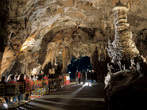
In the small square of Saint Peter we can see the statue of Saint Peter, erected as a replacement for the demolished chapel that once stood in front of the church. About five kilometers from Sempeter is the karst Pekel Cave, which is one of the largest caves for tourists in Styria.
 KRAJI - Slovenia
 Šešče pri PrebolduGreenValleyGlamping