KRAJI - Slovenia
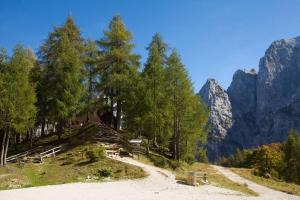 Kranjska GoraErjavčeva mountain hut at Vršič passKranjska GoraErjavčeva mountain hut at Vršič pass
 PortorožHotel Vile Park
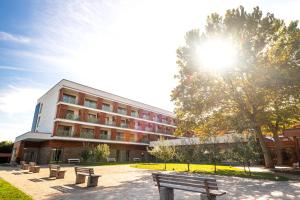 ZrečeTerme Zreče – Hotel Atrij

Vrsic - Road to Vrsic (The Russian Road)


In the past, the path over the Vrsic pass was used by the people of Trenta when they wanted to do some shopping in Kranjska Gora or Villach or go to a fair or even see a doctor, and the farmers from the Upper Sava Valley (Zgornjesavska dolina) who used the road to get to their pastures on the Trenta side of the pass. The pass was known as Kranjski vrh to the people of Trenta, but officially it was called Mojstrovka. Mojstrovka was the name used for the pass in the First World War.
In order for the path to meet the needs of timber skidding and transport, it was first widened in 1909. When Italy entered the war and the Soca (Isonzo) Front opened, the construction of the road was in full swing. Over 10.000 Russian prisoners of war were engaged in construction of the road. Aware of the avalanche threat, the prisoners worked under special anti-avalanche fences but unfortunately these were unable to withstand two severe avalanches in the spring of 1916. According to military archives data, the avalanche buried over 300 Russian prisoners and several Austrian guards. The construction of the road was completed in 1917.
In 1916 the prisoners built a wooden chapel on the Kranjska Gora side of the road in memory of their suffering and the comrades who were buried by the avalanche. The chapel was completely restored in the years 2005 – 2006. In June 2006, in commemoration of the 90th anniversary of the construction of the chapel, Slovenian government renamed the section of the road between Kranjska Gora (Hotel Erika) and Vrsic the Russian Road.
The mountain road from Kranjska Gora (810 m) across Vrsic (1611 m) to Log in Trenta (620 m) spans 24 kilometres of 50 hairpin bends, 24 on the Kranjska Gora side and 26 on the Trenta side of the pass. The road is open an average of seven months per year. In winter, it is normally closed to all traffic.
Photos
Photo: 206-0
Vrsic - Road to Vrsic (The Russian Road)

Photo: 206-1
Road to Vrsic - The Russian Road - Information board

Photo: 206-2
Road to Vrsic - Map

Photo: 206-3
Rainbow above the road Kranjska Gora - Vrsic in Kranjska Gora

Photo: 206-4
Start of the road to Vrsic at Kranjska Gora

Photo: 206-5
Road from Kranjska Gora to Lake Jasna

Photo: 206-6
Bridge over Pisnica

Photo: 206-7
Road by the Lake Jasna

Photo: 206-8
Turning to Krnica at Russian Cross

Photo: 206-9
3rd hairpin bend (1041 m)

Photo: 206-10
Road to Vrsic

Photo: 206-11
4th hairpin bend (1047 m)

Photo: 206-12
Road by the 4th hairpin bend

Photo: 206-13
5th hairpin bend (1102 m)

Photo: 206-14
The Russian road

Photo: 206-15
8th hairpin bend (1129 m)

Photo: 206-16
Road by the Russian Chapel

Photo: 206-17
Road to Vrsic at the end of the winter

Photo: 206-18
Spik mountain group

Photo: 206-19
Summits above Vrsic

Photo: 206-20
Vrsic mountain pass in snow

Photo: 206-21
Road covered with snow over Vrsic

Photo: 206-22
View back on the Vrsic mountain pass from the road to Trenta

Photo: 206-23
Jalovec from the road to Vrsic
Hotels, Apartments and Rooms
Data
Municipality: KRANJSKA GORA (5212 population)
Settlements in the municipality:
Kranjska Gora (1491 population), Mojstrana (1098), Gozd Martuljek (636), Dovje (620), Rateče (618),
Podkoren (390), Belca (161), Log (95), Zgornja Radovna (71), Srednji Vrh (32)