Piran is an interesting old port city that extends at the end of the Piran Peninsula. It is an administrative and supply center and together with neighboring Portoroz it is also an important seaside resort, with many accommodations, restaurants and various cultural events.
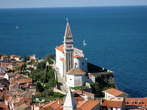
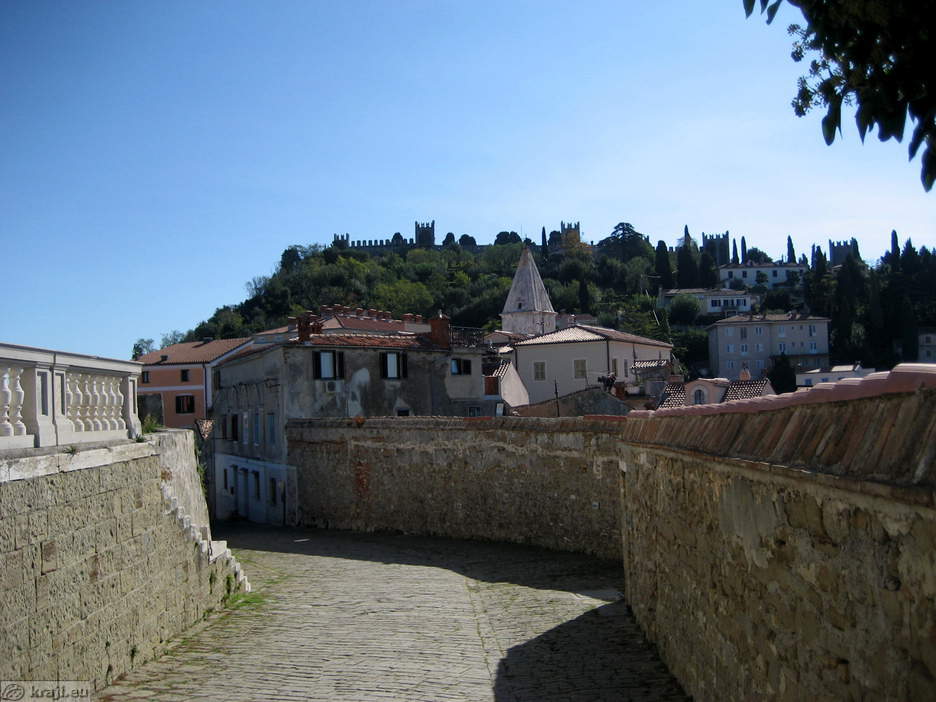
Piran has retained its distinctive medieval design, with tightly packed houses and narrow streets that step up from the picturesque coastal plains towards the top of the ridge and give the whole environment a Mediterranean character. The city has many churches. There were even more than twenty of them at certain times, which is surprising for such a small place. Above the old city center stands the baroque St. George's Church with a bell tower and a baptistery that gives Piran a special seal. Within the church is also the Parish Museum of Saint George, comprising a lapidarium, a treasury and an archeological cave.
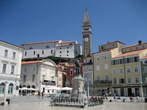
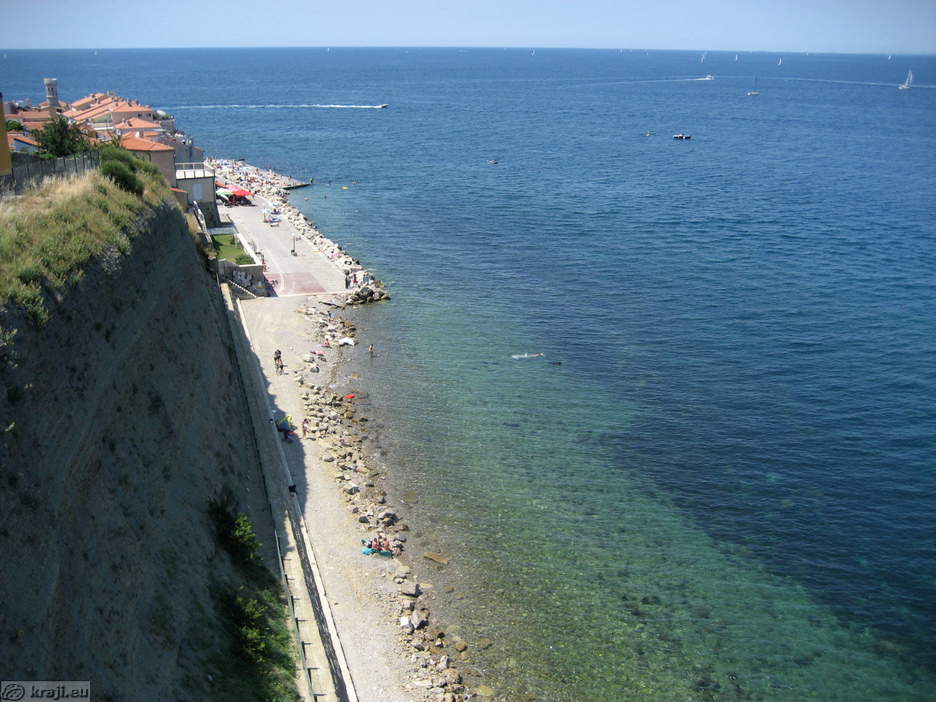
The church is a wonderful viewpoint as views open to the Piran Peninsula with the old town, to Tartini Square, to the Strunjan Bay, to the coast under the Piran cliff and to the Italian coast in the distance. The Tartini Square became the central market of Piran at the end of the 13th century, and its current appearance got in the second half of the 19th century. The square is named after the famous Piran countryman, composer and violinist Giussepp Tartini (1692-1770), who carried the name of the town all over the Europe. Around the spacious market platform were built all the important municipal institutions, such as the Court and Municipal Palace and bourgeois houses, of which only the beautiful red Gothic house, called the Venetian, which is the most beautiful example of Venetian Gothic architecture in Piran, was preserved in its original form.
Piran is fully protected as a cultural and historical monument, because it is a picturesque whole with a preserved medieval Mediterranean scheme, walls and sacral and architectural monuments. The part of the sea in front of the cape is protected as a nature reserve and marked with buoys.
 KRAJI - Slovenia
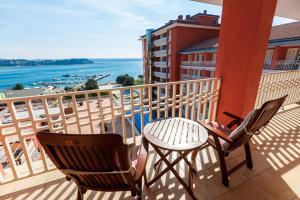 PortorožGrand Hotel Portoroz 4* superior – Terme & Wellness LifeClass